


No hay productos en el carrito.


Temperatura Local 28º - 33º C
¡Confíe en 250683 clientes que hemos servido!

Planning your vacation in the Dominican Republic? It's key to know about potential issues like punta cana sand fleas. These tiny pests are common on Punta Cana's beautiful beaches. They can ruin your trip if you don't take steps to avoid them.
Learning about sand fleas and how to prevent them will keep you safe and comfortable. This way, you can enjoy the stunning views and rich culture without worry.
Sand fleas, also known as Tunga penetrans, are tiny crustaceans found in sandy coastal areas. They thrive in tropical places like Punta Cana. These pests are very small, measuring less than 1 millimeter, and are often mistaken for regular insects.
Unlike common fleas, sand fleas don't jump. Instead, they burrow into the skin of their hosts. This burrowing causes irritation and discomfort.
So, what exactly are sand fleas? They are found in sandy areas in places like Mexico, South America, the West Indies, and Africa. Females can lay up to 100 eggs in just two weeks after mating. This fast breeding can quickly lead to large populations, especially in areas where many people go to the beach.
If you're visiting Punta Cana, be aware of the risks from sand fleas. Their bites can cause health problems like bacterial infections, ulcers, and swelling. These can even make it hard to move around. If you find sand fleas on you, it's important to remove them right away, preferably by a sterile method.
Using treatments like dimethicone, found in some head lice products, can help manage these infestations. Keeping your tetanus shot current is also a good idea. Using repellents with DEET and staying alert to sand fleas can make your beach time better.
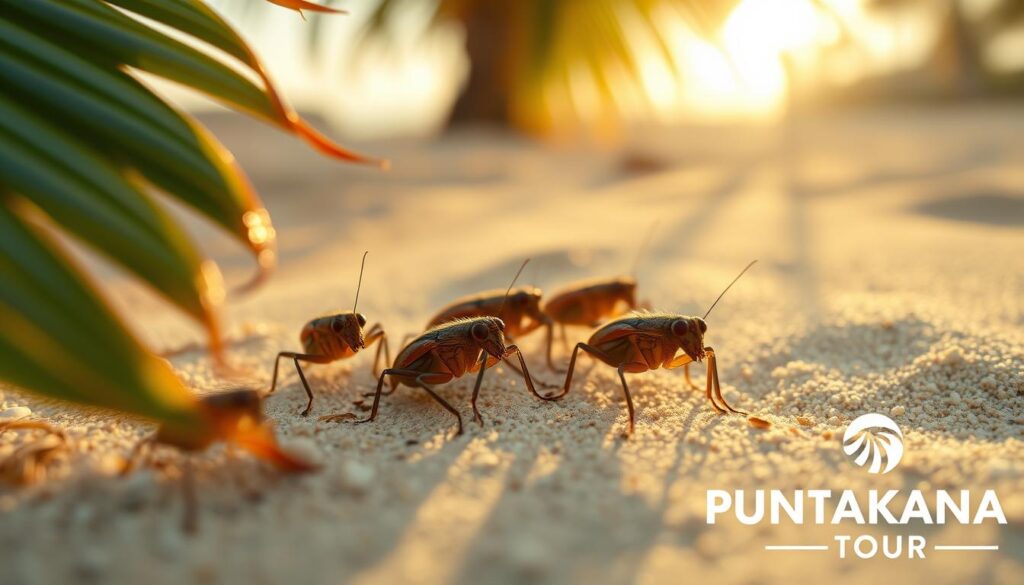
Punta Cana has beautiful beaches with warm weather and sandy areas. This makes it a perfect home for common sand fleas. The high temperatures and plenty of organic debris help them live and grow.
These pests love tropical places like Punta Cana. Their life cycle is greatly influenced by the local weather. This makes Punta Cana a great place for them to reproduce.
Punta Cana is a popular spot for people who love the outdoors. But, this also means more chances for sand fleas to breed. Walking barefoot on these beaches can disturb their homes, leading to more sand fleas.
The risk of finding these pests is higher in the dry seasons, especially in August and September. Knowing why sand fleas are common helps you prepare for your trip. It makes your beach time more enjoyable.
| Environmental Factor | Impact on Sand Fleas |
|---|---|
| Warm Climate | Promotes breeding and activity |
| High Temperature | Optimal conditions for survival |
| Outdoor Activities | Increases interaction with habitats |
| Dry Seasons | Highest prevalence of infestations |
Punta Cana sand fleas are a big worry for those who love its beautiful beaches. These tiny insects, known as Tunga penetrans, can burrow into your skin. This can cause infections or abscesses, leading to pain and discomfort.
When you're sunbathing or playing in the sand, you're more likely to get bitten. Sand fleas hide in the sand, waiting to bite. So, it's important to watch out for them while enjoying the sun.
Sand flea bites can show up days after you're bitten. They start as itchy, small red spots that can get bigger. In some cases, the pests lay eggs under your skin, causing more spots. While you can treat these bites with over-the-counter remedies, it's better to prevent them.
To avoid the problems with sand flea bites, take some precautions. Wash your feet after being at the beach and use natural repellents. Being aware and prepared can make your time in Punta Cana fun, without worrying about sand fleas.
Knowing the signs of sand flea bites is key to handling them when you're on vacation. The bite might not hurt at first, but as it gets worse, it's important to know what to look for. This helps you deal with the discomfort better.
Sand flea bites often cause itching, redness, and swelling. They look like small red bumps, usually on your ankles, feet, and legs. These symptoms usually go away in a few days, but the itching can be annoying. For mild cases, you can try antihistamines, creams, or natural remedies like aloe vera and baking soda.
Some people might have allergic reactions to sand flea bites. This can lead to hives, rashes, or even trouble breathing. If you feel more pain or see signs of infection, like swelling or open sores, see a doctor. Remember, bites can cause serious health issues like tungiasis, so it's crucial to take care of them right away.
| Symptom | Description | Recommended Action |
|---|---|---|
| Itching | Intense desire to scratch the affected area | Use antihistamines or topical creams |
| Swelling | Red, raised areas around the bite | Apply cold compresses to reduce swelling |
| Allergic Reactions | Hives or rashes, potentially severe reactions | Seek medical attention if breathing issues occur |
| Infection | Pain, redness, and potential for ulcers | Wash the area and apply antibacterial cream |
Knowing these symptoms helps you get ready for beach trips and enjoy Punta Cana without any hassle.
To enjoy your beach visits in Punta Cana without sand fleas, follow some key steps. The sandy shores are inviting, but certain actions can lower your risk. Knowing the right times and places to visit can make your beach time lice-free.
Choosing the right time for your beach trips can help avoid sand fleas. Go in the early morning or late afternoon when they're less active. These hours are best for enjoying the beach without interruptions.
It's important to pick well-kept beach areas for your safety. Look for beaches that are regularly cleaned and maintained. These spots have less sand, making it less likely to find sand fleas. Before your trip, research beaches and their safety measures. For more on safety in Punta Cana, visit this link.
| Strategy | Description | Time Recommendation |
|---|---|---|
| Avoiding peak sun hours | Plan visits during mornings or late afternoons. | Before 10 AM and after 4 PM |
| Choosing clean beaches | Look for beaches known for regular maintenance and cleaning. | Anytime, preferably well-reviewed spots |
By following these tips, you can make your Punta Cana trip better and safer. Plan carefully and stay proactive about your safety to avoid sand flea bites.
When you visit Punta Cana, keeping sand fleas at bay is crucial. Using the right repellents and protective gear can help a lot. There are many products out there, each with its own strengths. Knowing what's available can help you choose wisely.
DEET-based repellents are highly recommended for fighting off sand fleas. Ben's Tick and Insect Repellent, for example, has 98.11 percent DEET. It offers up to 10 hours of protection. Prices for these repellents usually fall between $2 and $13.
For longer days outdoors, Sawyer's Picaridin Insect Repellent or Ranger Ready formula are good choices. Both have 20 percent picaridin and protect for up to 12 hours.
What you wear can also play a big role in avoiding bites. Wearing long pants and sleeves can act as a barrier. Consider treating your clothes with Sawyer's permethrin repellent, which costs about $14.
This treatment makes your clothes even more effective at repelling pests. Combining the right clothes with repellents can greatly reduce the risk of bites.
Enjoying the beaches of Punta Cana can be better with natural sand flea protection. People look for safe and effective ways to keep their skin protected. Essential oils and home remedies are great alternatives to harsh chemicals, perfect for families and those who care about the environment.
Essential oils are known to keep sand fleas away. Citronella and eucalyptus oils smell good and keep these pests off. Mix a few drops of these oils with coconut oil or water in a spray bottle.
Apply this blend to your skin before going to the beach. It's a natural way to protect yourself from sand flea bites. Traditional bug sprays often don't work, making these oils a good choice.
Even with precautions, sometimes bites happen. But, there are home remedies to help. Here are a few:
If your symptoms get worse, it's best to see a doctor. Sand flea bites are usually not serious but can get infected if scratched too much. Always be gentle with your skin to avoid more irritation.
With these natural remedies, you can enjoy the beach without worrying about bites. Punta Cana's beautiful coastline is there for you to explore safely.
Getting bitten by sand fleas on Punta Cana's beaches can be a shock. It's important to know how to react quickly. This helps reduce discomfort and speeds up healing. Taking the right steps can also prevent infections.
Here's what to do if you get bitten by sand fleas:
Some sand flea bites can be serious and need medical help. Look for these signs:
Knowing how to handle sand flea bites can improve your vacation. Treat bites promptly and know when to see a doctor. This way, your trip to Punta Cana will stay enjoyable.
Exploring Punta Cana's beaches might make you think about sand flea risk and beach quality. Some beaches are safer than others, depending on how well they're kept. Knowing the risks can make your beach trip better and help you pick the perfect spot to relax.
Punta Cana's beaches are beautiful, but they're not all the same. Cleanliness, upkeep, and how busy they are affect their quality and sand flea risk. Here's a look at some popular beaches:
| Beach Name | Maintenance Level | Sand Flea Risk | Recommended Activities |
|---|---|---|---|
| Bavaro Beach | High | Low | Swimming, water sports |
| Macau Beach | Medium | Moderate | Surfing, sunbathing |
| Palmilla Beach | Low | High | Relaxing, nature walks |
Locals often recommend choosing well-kept areas to avoid sand fleas. Here are some tips:
It's important to know about sand flea risk to have a safe and fun time. Your health and happiness should be the top priority, making your beach getaway perfect and free from any discomfort.
Traveling to Punta Cana is a beautiful escape, but traveler safety is key. Knowing local conditions and following tips can make your trip better. It also helps with sand flea awareness.
Before you go, look up the beaches to find ones with fewer sand fleas. This can make your beach time more comfortable. Always check for bites after being on the beach. Keep insect repellent with you to protect against sand fleas and other pests.
Outdoor activities are big in Punta Cana. Make sure to bring bug spray, sunscreen, and the right clothes. Wearing clothes that cover your skin can help avoid bites. Also, staying in cool or screened rooms helps keep bugs away.
Know where to find local healthcare. Make a list of nearby hospitals and doctors. This way, you can get help fast if you need it. Check your health insurance and think about getting travel health insurance for extra safety.
Be careful with how you get around in Punta Cana. Use official taxis and public transport with seatbelts. This can help avoid accidents, which are common in the area.
By following these tips and staying aware of sand fleas, you can enjoy Punta Cana's beauty and fun safely.
When planning your trip to Punta Cana's beautiful shores, knowing about local wildlife is key. This includes sand fleas. These tiny creatures can ruin your beach time if you're not ready. Being aware and prepared will make your vacation enjoyable and stress-free.
Use the tips we shared to avoid bites. This means choosing the right time to go to the beach and using good repellents. Enjoy Punta Cana's amazing views and culture while watching out for pests. Taking these steps lets you enjoy all the great things this place has to offer.
To make your visit even better, book your tours early. This will make things easier for you. For free tour reservations, call 📞 +1 (849) 474-4954 or visit www.puntakanatours.com. Have a great trip and remember these helpful tips!


Hablar por WhatsApp

Llámanos gratis

Envíanos un Email




 BannerText_Seraphinite Accelerator